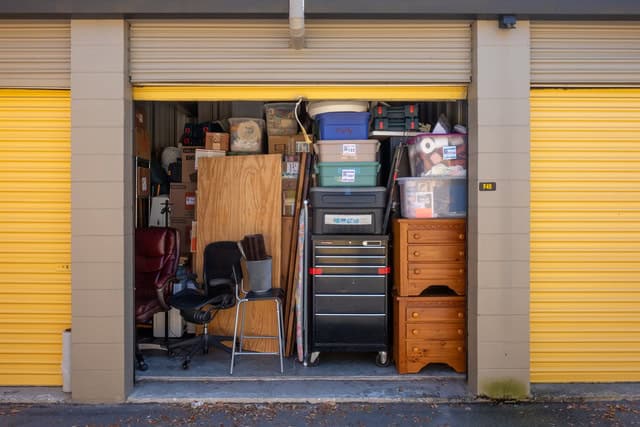
Picture this. You’re in front of the steel door, the auctioneer’s voice vibrates in the air, and the numbers are flying. In that dim, dripping bay could be a dusty old couch or a mint-condition guitar worth a grand. Welcome to storage auctions, where weekend warriors suddenly become adventurers, and every raised hand feels like spinning a wheel of fortune.
What Happens When People Stop Paying
Storage auctions exist because life gets complicated. A job vanishes. A breakup turns into a packed car and a half-remembered town. Payments quit coming. After three months, the people who run the facility have a tall stack of storage lockers and a simple rule: clear the space, clear the debt. Tossing it all in a landfill is an expensive no-no; a fast auction to the highest bidder is the legal, faster, and much more entertaining route.
Here’s how it goes down. An auctioneer shows up with a bolt cutter, pops the lock, and with one loud squeak the metal door rises. You’re not allowed to step in, bump a box, or move the dusty curtain of a half-empty shelf. You get maybe five minutes to scan the visible items and make your best guess about what treasures might hide underneath.
The Rush of the Unknown
There’s something addictive about buying mystery boxes on a massive scale. The pros know the telltale signs. Quality furniture often means the previous owner had money. Boxes labeled in neat handwriting suggest organized people who might have valuable collections. Exercise equipment gathering dust could mean someone bought expensive gear they never used.
The bidding itself creates its own excitement. Regular auction-goers develop rivalries. They study each other’s strategies and try to read poker faces. If two committed bidders compete for a valuable property, the price may skyrocket.
Finding Gold in Storage Containers
Professional buyers have discovered some incredible finds over the years. A lockbox full of mint-condition issues of Spider-Man that rocket at $15,000. A diamond-studded compact nobody noticed that day, still tucked in a shoulder purse gone gray. And the one unit where the owner cracked open the rusted safe and found $7,500 in cash.
But here’s the catch – most units contain ordinary household items. Old clothes, broken appliances, and furniture that’s seen better days make up most storage auction contents. Successful bidders know how to spot value in everyday items and have outlets to sell their finds quickly.
Starting Your Treasure Hunt
Want to try your luck? Start by checking a storage auction site like Lockerfox to find local sales, then attend a few as an observer. Watch how experienced bidders behave and listen to their conversations. They often share valuable tips about what to look for and what to avoid.
Bring cash. Many yards won’t swipe a card for a fifty-dollar unit, and they definitely won’t wait. Shop the same way you used to keep your lunch money on a budget; define your max before the gavel drops, then stay married to that number.
Don’t forget that taking home a unit means you’re responsible for every single thing inside it. Even the junk you would never consider keeping. Always include the price of labor, trash pickups, and dump fees. Those costs add up and can eat away at any profit.
Conclusion
Storage auctions are a low-stakes way for regular people to swap pocket change for small treasure chests. You could score an old refrigerator and a stack of dog-eared romances, or you might lift a perfect mid-century vase that pays for dinner on a beach somewhere. Winners are the ones who show up ready for whatever the lock box has to give.
For more information visit our site.