For generations, insulation kept buildings warm by trapping heat, but many common materials took a toll on environmental health. However, as eco-awareness grows and technology progresses, the search is on for insulation types that not only keep spaces comfortable and energy bills affordable but also align with green principles. The good news for builders and homeowners is there is an expanding palette of nature-inspired and upcycled green insulation materials that deliver on all fronts.
Greener Insulation Alternatives
Many conventional insulation types contain plastics, metals, or harsh chemicals that negatively impact production and pollution. Some even use scarce resources in their manufacture. According to the experts at Epsilyte, green insulation materials counter these downsides through sustainability-focused design and sourcing. From renewable, nature-derived components to recycled input materials, the latest insulation forms better align builder preferences with ecological priorities while still delivering strict performance needs.
Common types of sustainable insulation solutions include:
- Recycled Denim or Newspaper Insulation: Upcycling common waste into insulation keeps thousands of tons from landfills annually. Shredded recycled denim or newspaper is treated with fire and mold retardants for safety, then offered loose-fill, batt or rigid panel form.
- EPS Insulation from Recycled Foam: Reclaimed expanded polystyrene (EPS) foam waste makes another smart upcycled choice with high durability and R-values from R4-R5 per inch. Rigid insulation panels prevent heat transfer using 98% captured air.
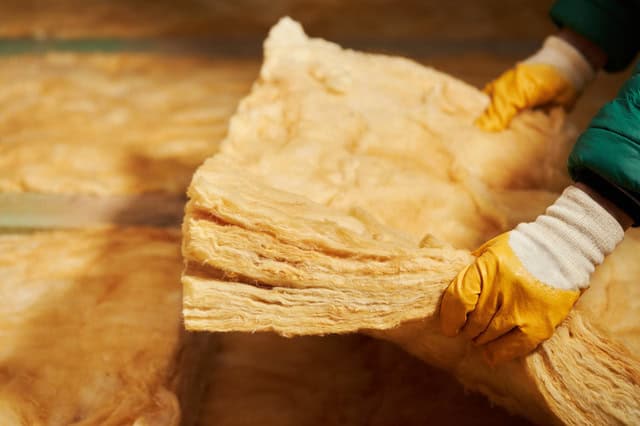
- Mineral Wool Insulation Using Basalt or Slag Rock: Sourced from plentiful resources like basalt or blast furnace slag waste, nontoxic, fire-resistant mineral wool can insulation be spun into batts, boards or loose-fill. Offering sound-dampening too, stone fibers avoid resource depletion associated with typical glass wool or fiberglass.
- Renewable Cotton Insulation: Made from rapidly renewable cotton plant fibers that require less energy-intensive processing than plastics or mineral extraction, cotton insulation brings a breathable green option without off gassing concerns. As agriculture shifts to sustainable practices, cotton insulation will trend greener still.
- Natural Cork Insulation Panels Or Batts: Sustainably harvested from regenerating cork oak trees’ bark, modular cork insulation blocks and panels deliver impressive R4 values per inch without harmful formaldehyde binders. Cork’s flexible honeycomb structure resists moisture, mold and pests. Production byproducts can support eco-friendly goods like reusable shopping bags.
- Bio-Based Foams Like Soy Or Plant Starches: Increasingly common spray and rigid foam insulation options utilize recycled or bio-sourced content for decent R-values between R3-R7 per inch. Soybean and corn oil replacements for petrochemicals demonstrate potential, especially as agricultural practices evolve to elevate sustainability.
The Right Green Insulation Fit
With information in hand on how insulation works to conserve energy and the latest planet-friendly materials available, you can make smart selections fitting for your space. Prioritize safety plus adequate R-values and proper sealing/installation suited to your climate and heating/cooling needs. Support sustainable markets and emissions cuts through your structural upgrades or new builds by selecting insulation that keeps homes cozy and businesses cool while also keeping environmental stewardship top of mind. With ever-evolving chemistry and agriculture supporting new options for insulation born from natural, recycled and upcycled inputs, staying warm and cool increasingly goes together with staying green.
Conclusion
Homes and buildings can finally achieve comfortable, affordable and sustainable temperature regulation all through one upgrade: green insulation materials. Whether reimagined from recycled waste streams or responsibly sourced from fast-growing agricultural stocks, the newest insulation solutions are ripe for revolutionizing spaces large and small. Keep costs down and warmth locked in while also selecting materials created for shrinking environmental footprints from manufacture through installation. Green insulation offers the ultimate solution by merging energy efficiency with ecology for spaces insulated properly now in every sense; financially, functionally and for the future of the planet.
For more interesting posts visit my blog.