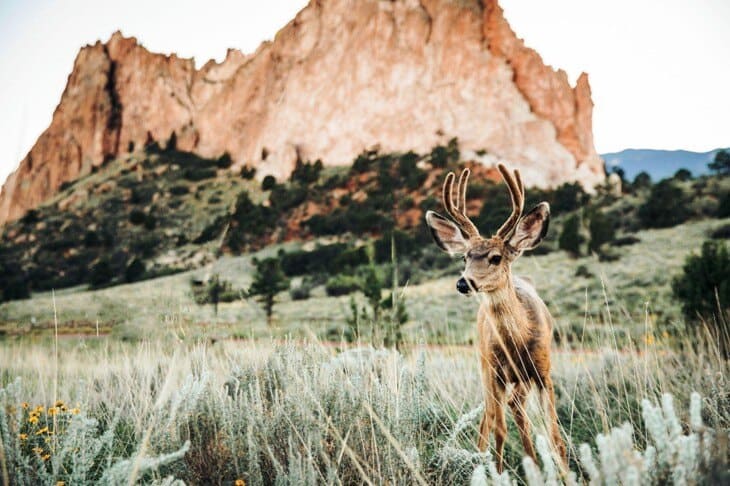
Hunting in the United States is steeped in tradition and modern regulations, offering diverse experiences across various ecosystems. Enthusiasts enjoy a connection to nature and history ranging from deer in the Northeast to elk in the Rocky Mountains. Each region presents unique challenges and requires different strategies, emphasizing the importance of understanding local wildlife patterns, terrain, and ordinances. Hunters not only contribute to wildlife management and conservation efforts but also partake in a practice that instills patience, skill, and respect for nature. As hunting continues to evolve, it remains a vital part of American outdoor culture, providing both sustenance and recreation, as discussed by Joe Sottolano.
Essentials of Hunting in the USA
Hunting is more than a pastime in America; it’s an integral part of the cultural roots and outdoor recreation that many enjoy. Across the country, enthusiasts wake up early to trek into woods and fields, seeking everything from deer and duck to elk and bear. While the activity is steeped in tradition, the modern hunter must navigate a complex array of season-specific regulations, permits, and ethical considerations to ensure safety and legality.
Understanding local wildlife habits and population dynamics is critical to any successful hunting trip. As seasons change, so do the habits of various species, making knowledge of these cycles crucial for novice and experienced hunters. This necessity is coupled with the need to respect wildlife management laws, which vary significantly from state to state, adding another layer to the planning of any hunting excursion.
Choosing the right location is equally vital. The United States boasts a diverse array of ecosystems, each offering unique challenges and opportunities. A hunter in the misty forests of the Pacific Northwest might encounter vastly different conditions than one in the dry grasslands of Texas or the frozen tundras of Alaska, making adaptability and preparation top qualities for any successful hunter.
Prime Hunting Spots in the Northeast and Southeast
The Northeast and Southeast of the United States offer some of the most scenic and diverse hunting grounds. In the rolling hills of New England, hunters can find extensive deer populations, while the dense forests provide a perfect backdrop for a tranquil yet challenging hunt. Moving south, the landscapes change dramatically, with the Southeast boasting lush swamplands and expansive forests that are home to a wide range of wildlife, including boar and turkey. The varying climates across these regions not only influence the type of game found but also require hunters to adapt their strategies and equipment accordingly.
Each of these regions carries its unique set of environmental factors and wildlife behaviors. In the Adirondacks, for example, the colder climate and rugged terrain offer a different hunting experience compared to the humid and dense areas of the Florida Everglades. Although they contrast, both environments provide rich habitats that are less frequented by the masses, allowing for a more serene and intimate hunting experience.
Midwest and Southwest Hunting
The Midwest is renowned for its rich hunting culture, which features a variety of tournaments that attract hunters from across the nation. Fields and forests abound with pheasants, deer, and even elk, depending on the state. The hunting traditions here are deeply ingrained in the local communities, often passed down through generations and celebrated with as much enthusiasm as any major holiday.
Contrastingly, the Southwest presents a landscape that poses both challenges and rewards. The arid climate and rugged terrain demand resilience and skill, making it a thrilling location for those seeking to test their hunting prowess. The vast open spaces are ideal for spotting mule deer and javelinas, and the sparse vegetation provides minimal cover, upping the stakes for even the most seasoned hunters. Adapting to such environments involves not only physical preparation but also a deep understanding of the animals’ patterns and the sparse water sources they frequent.
Western Region Adventures
The Western United States is a haven for hunters seeking diverse landscapes and abundant game. From the dense, snow-covered forests of the Rocky Mountains to the stark beauty of the high desert plateaus, each area offers unique experiences. Hunters in these regions are treated to a wide variety of game, including the elusive mountain lion and the majestic bighorn sheep.
Tips for a Successful Hunting Trip
Success in hunting comes not only from skill and patience but also from thorough preparation. Understanding the terrain and the behavior of the game is critical. Equally important is selecting the right gear, which can range from the type of firearm or bow to the choice of camouflage clothing. Planning for weather conditions and navigation helps ensure that the hunting experience is not only successful but also safe.
Experienced hunters often stress the importance of proper game processing and storage post-hunt. Ensuring that meat is quickly and efficiently processed can make the difference between a bountiful feast and wasted effort. Techniques vary by region and type of game, but mastering these can enhance the overall success and enjoyment of the hunt.
For more interesting posts visit my blog.